Azores, Portugal
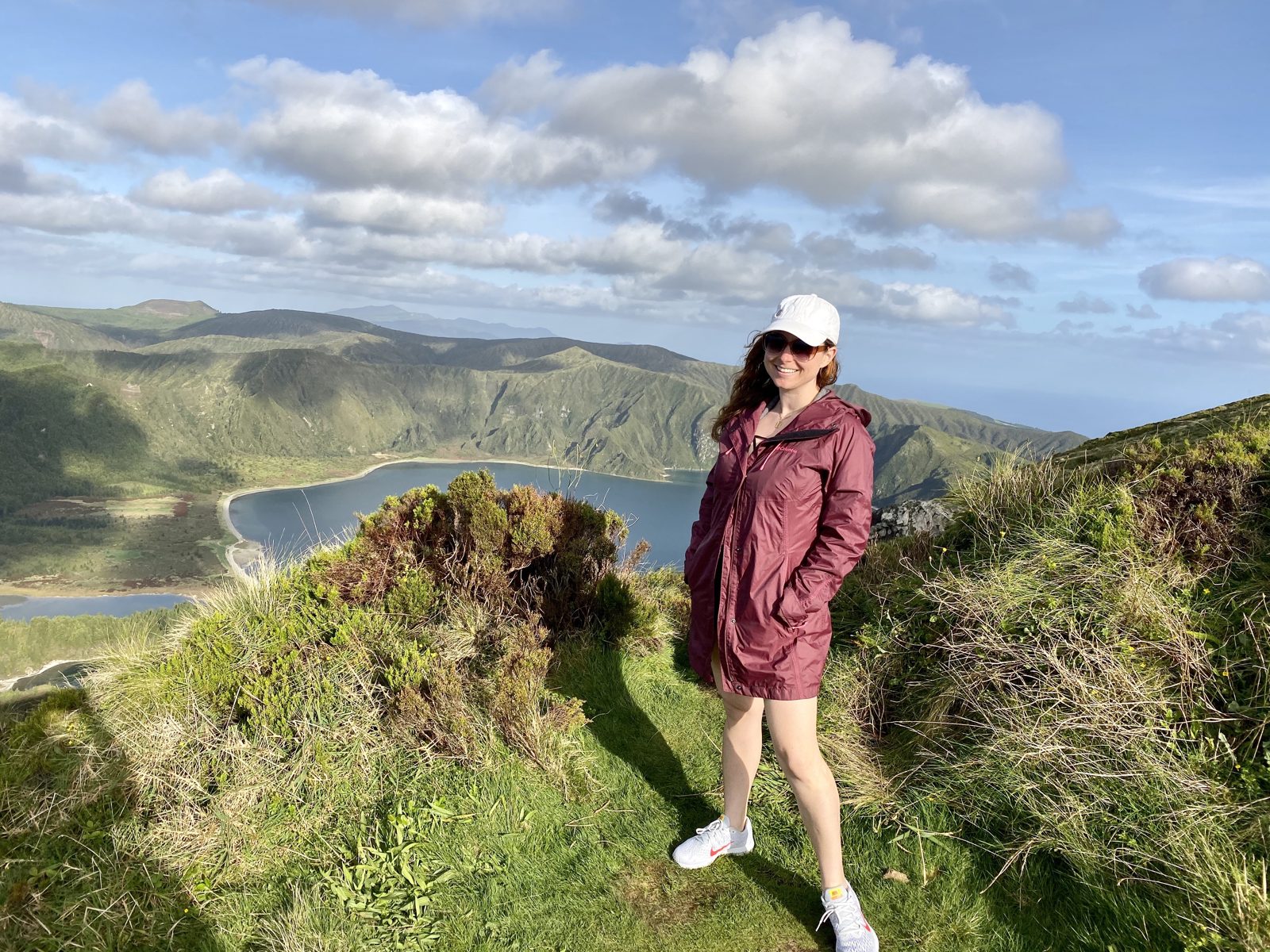
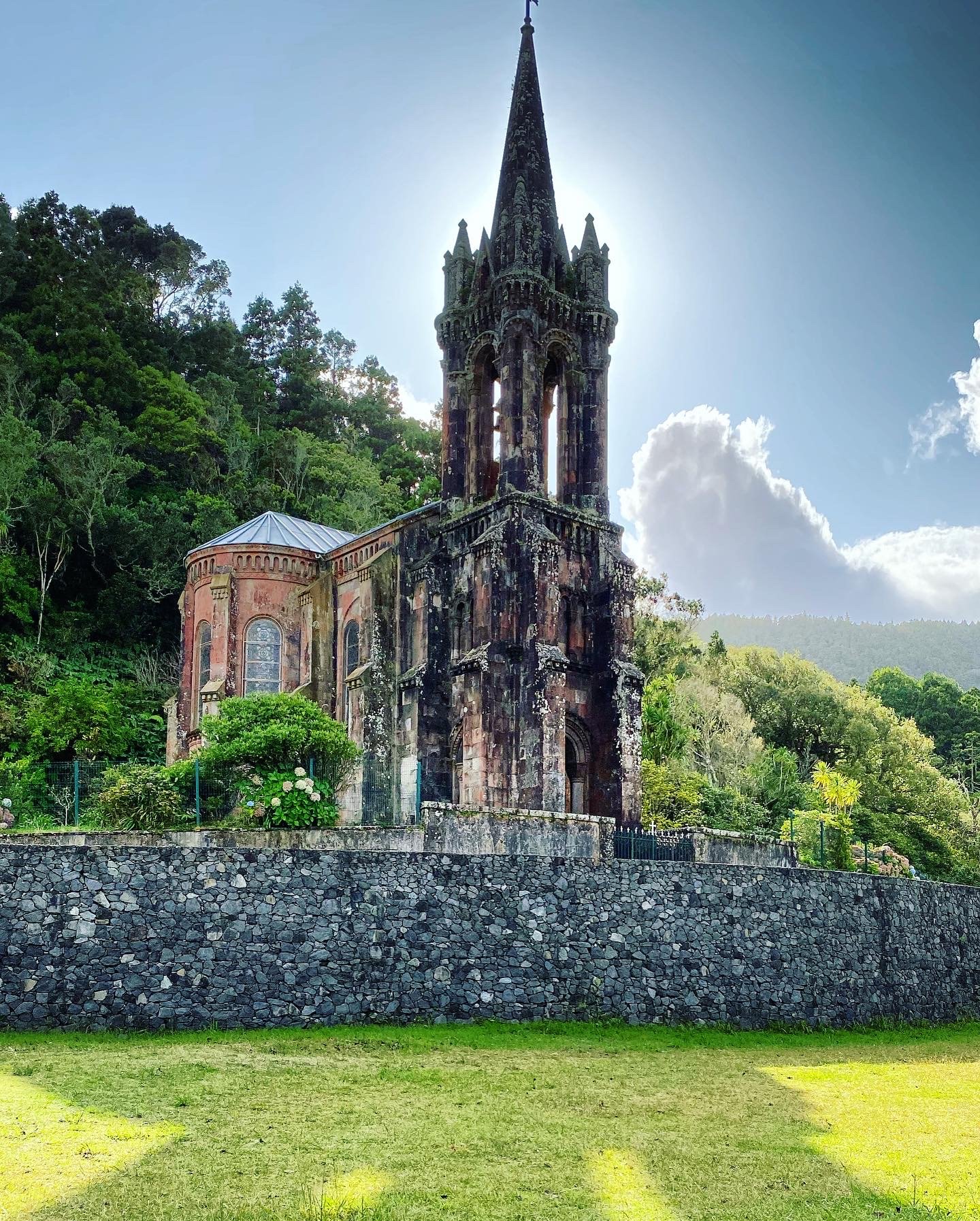
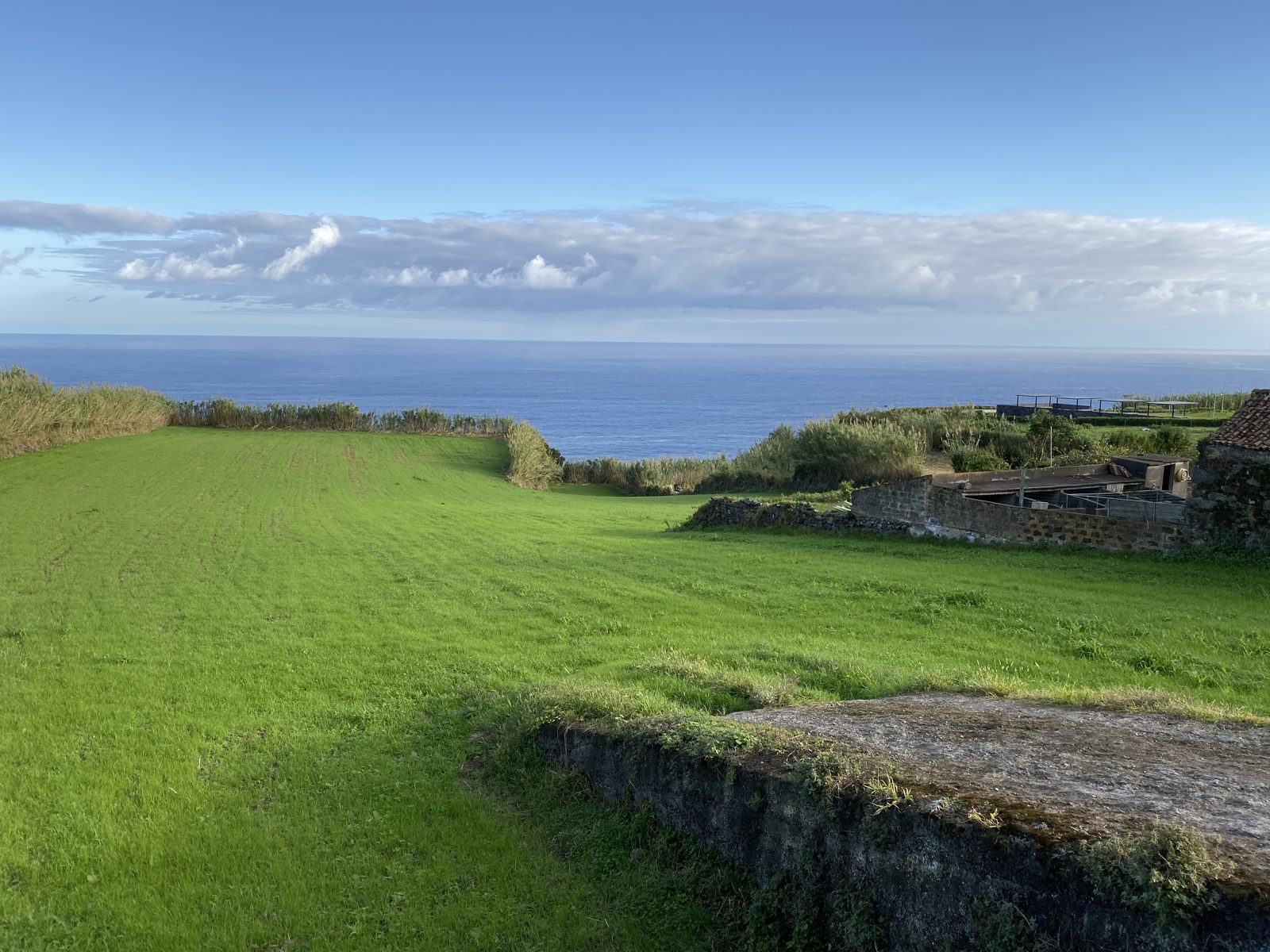
The Azores sit in the middle of the Atlantic, closer to nothing than anywhere else in Europe: nine volcanic islands, a two hour flight from Lisbon, and green in a way that surprises people expecting somewhere dry.
Sao Miguel is the biggest and the one most people go to. Pico has the mountain, 2,351 metres, which is the highest point in all of Portugal even though it is nowhere near the mainland.
1 of 4
The cows are not a joke
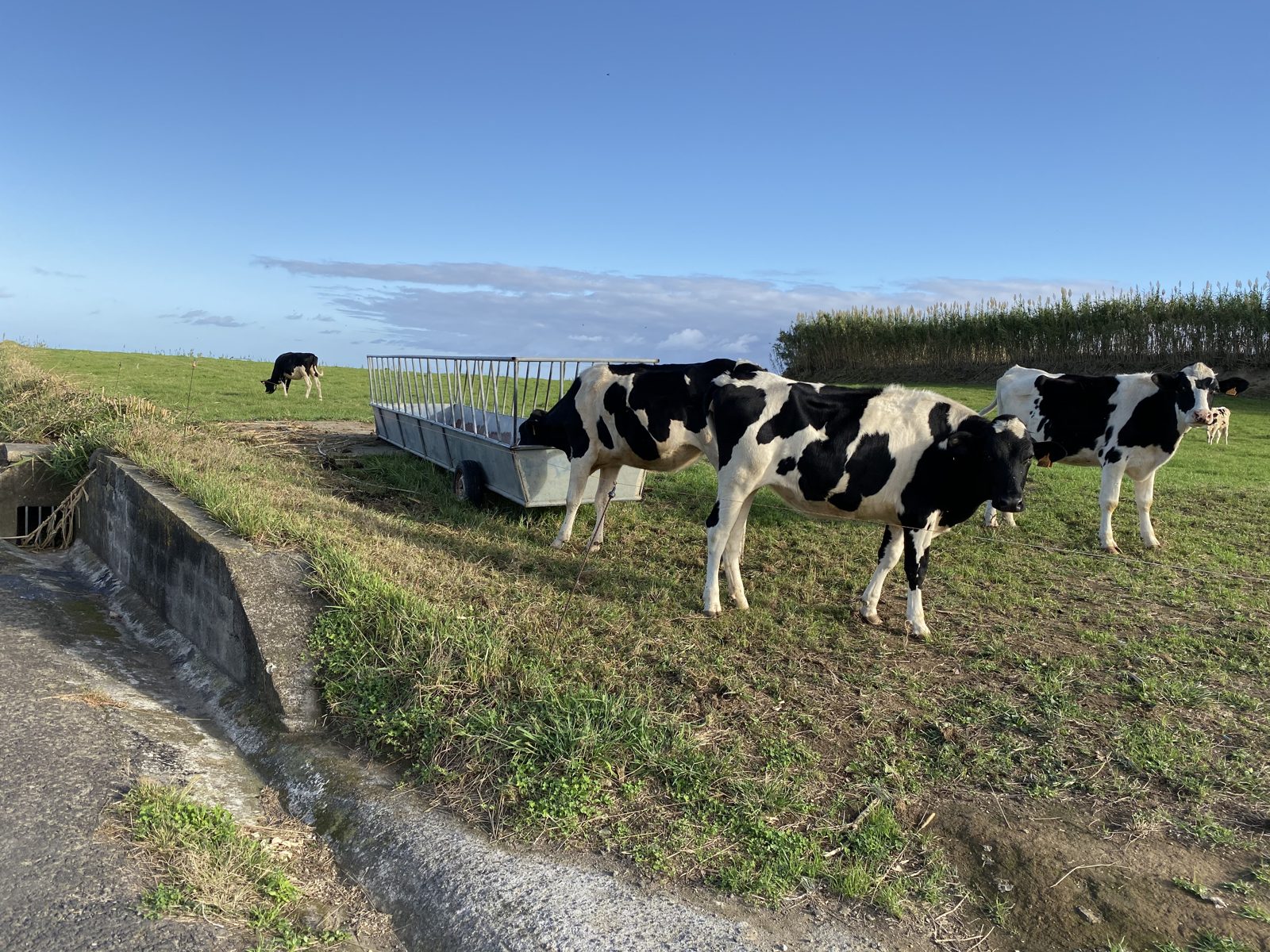
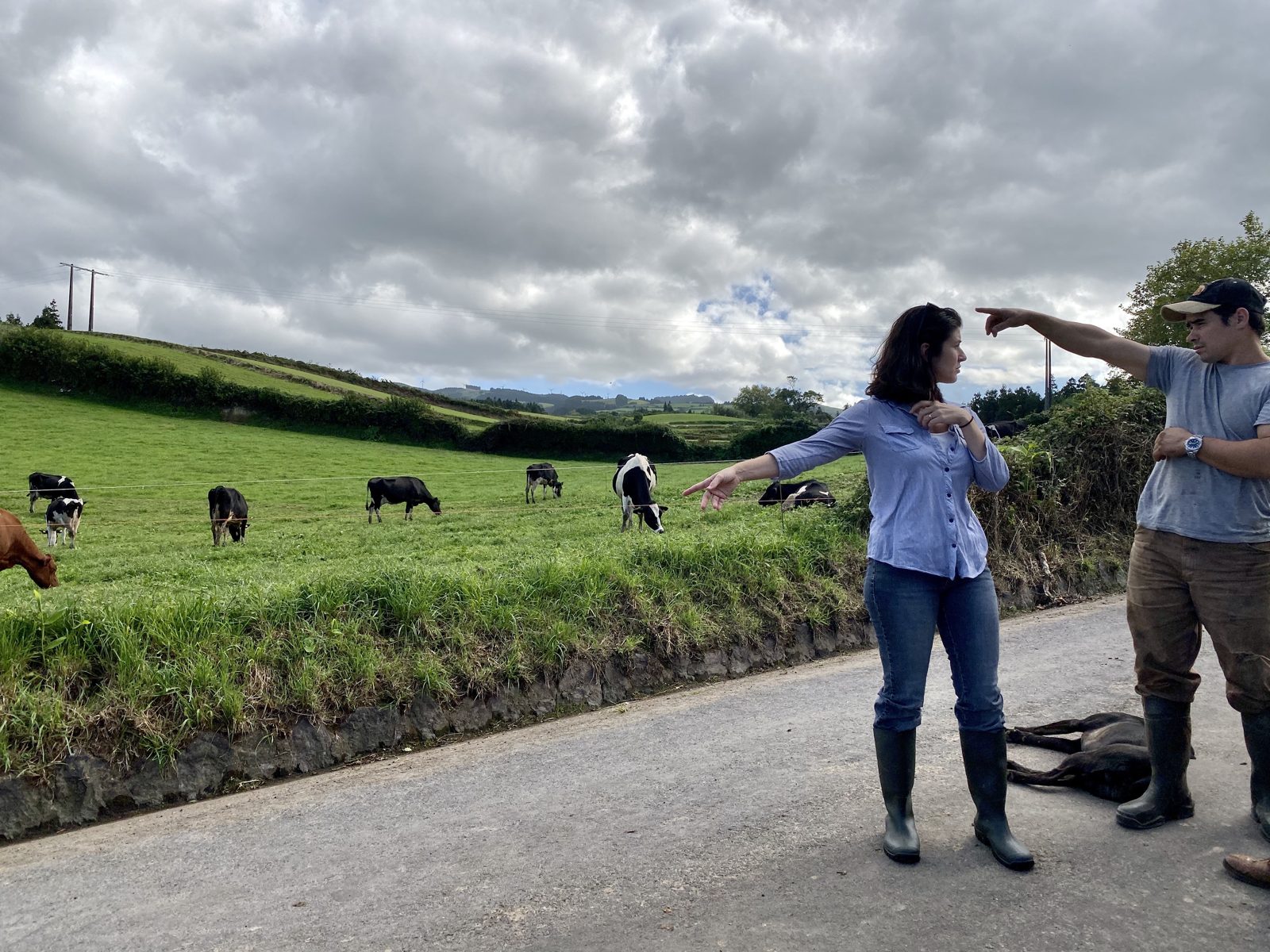
There are roughly as many cattle here as there are people, and you notice within about twenty minutes of leaving the airport. They are in every field, often right up against the road, and the fields run all the way down to the cliffs.
Farmers move them between pastures through the day, which means you will at some point be stopped by a herd walking up the middle of the road. There is nothing to do about this. Turn the engine off.
This is why the dairy is so good, and why cheese and butter turn up at every meal.
Hot springs
The islands are volcanic and still active, which is the whole reason to come.
Furnas is the town built on top of it. There are pools you pay a few euros to sit in, open late into the evening, with the water coming out of the ground somewhere between warm and slightly too hot.
The iron in the water stains everything a rust orange, including swimwear. Wear something you do not mind losing. This is not a warning people take seriously until afterwards.
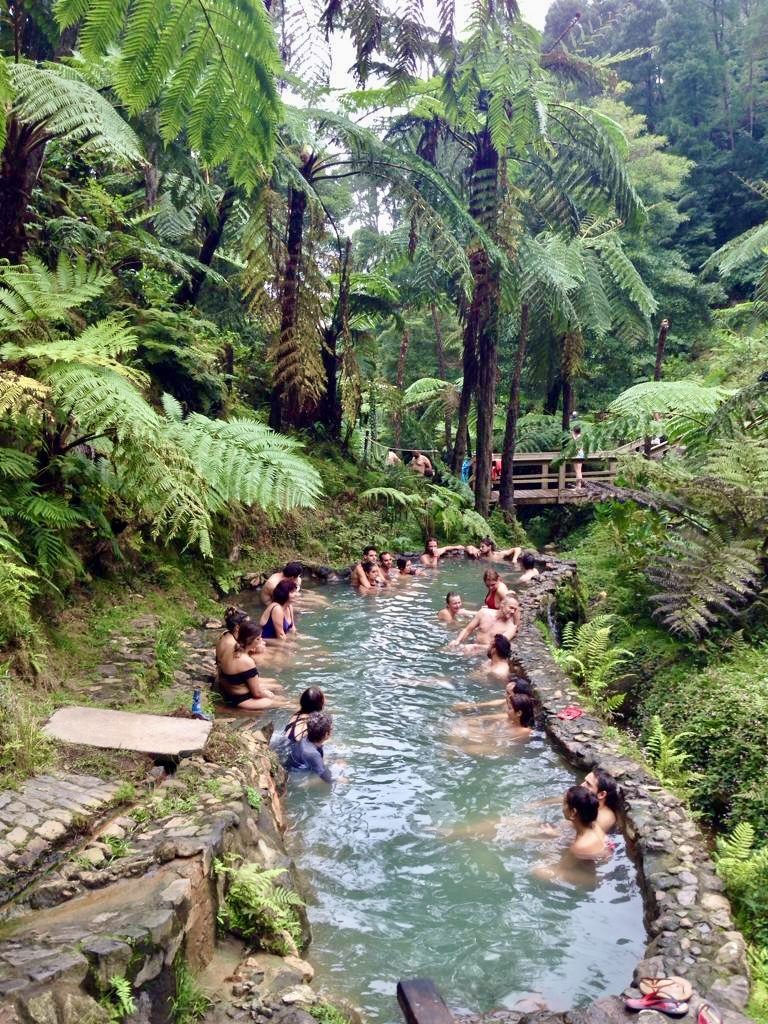
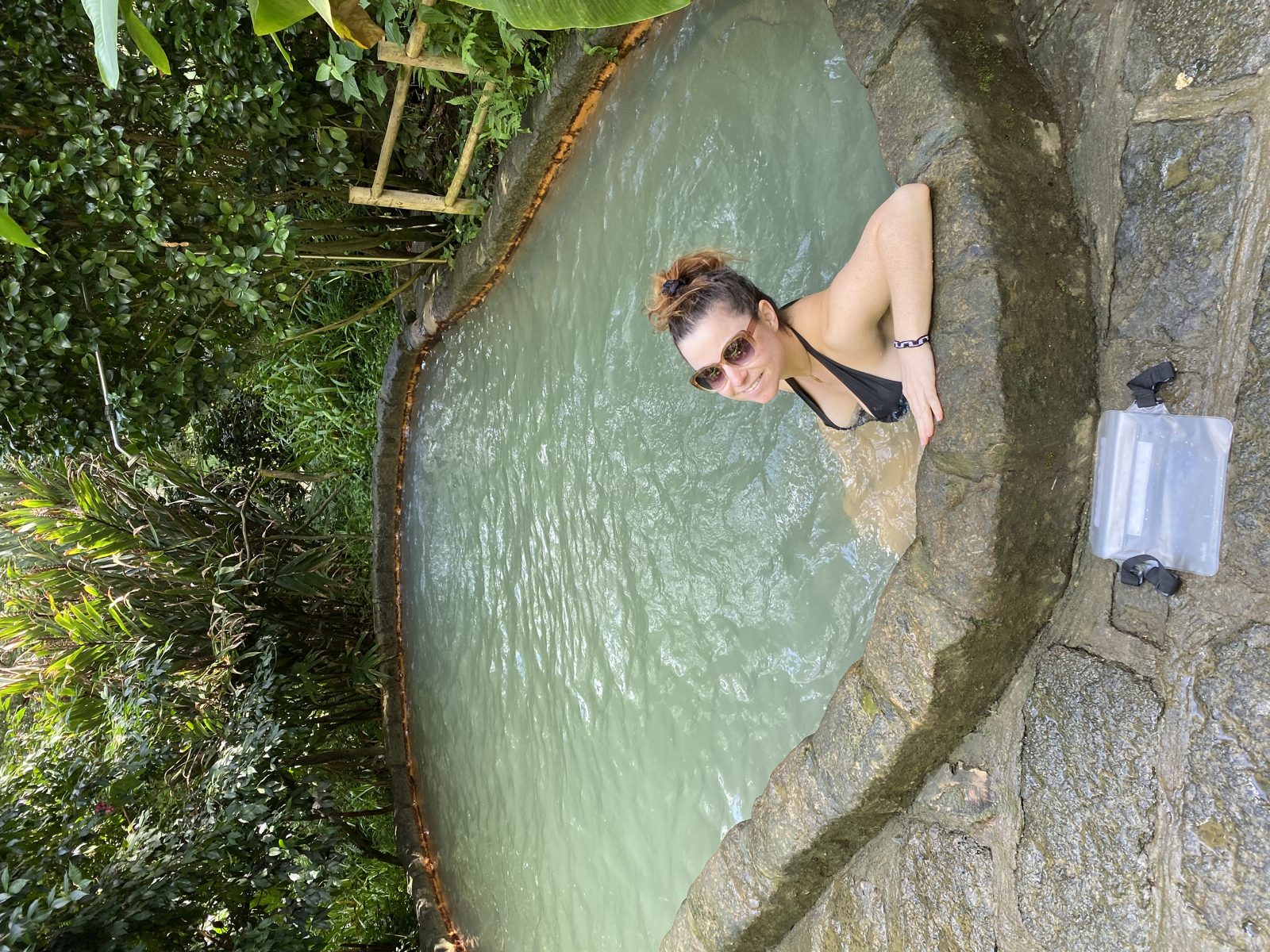
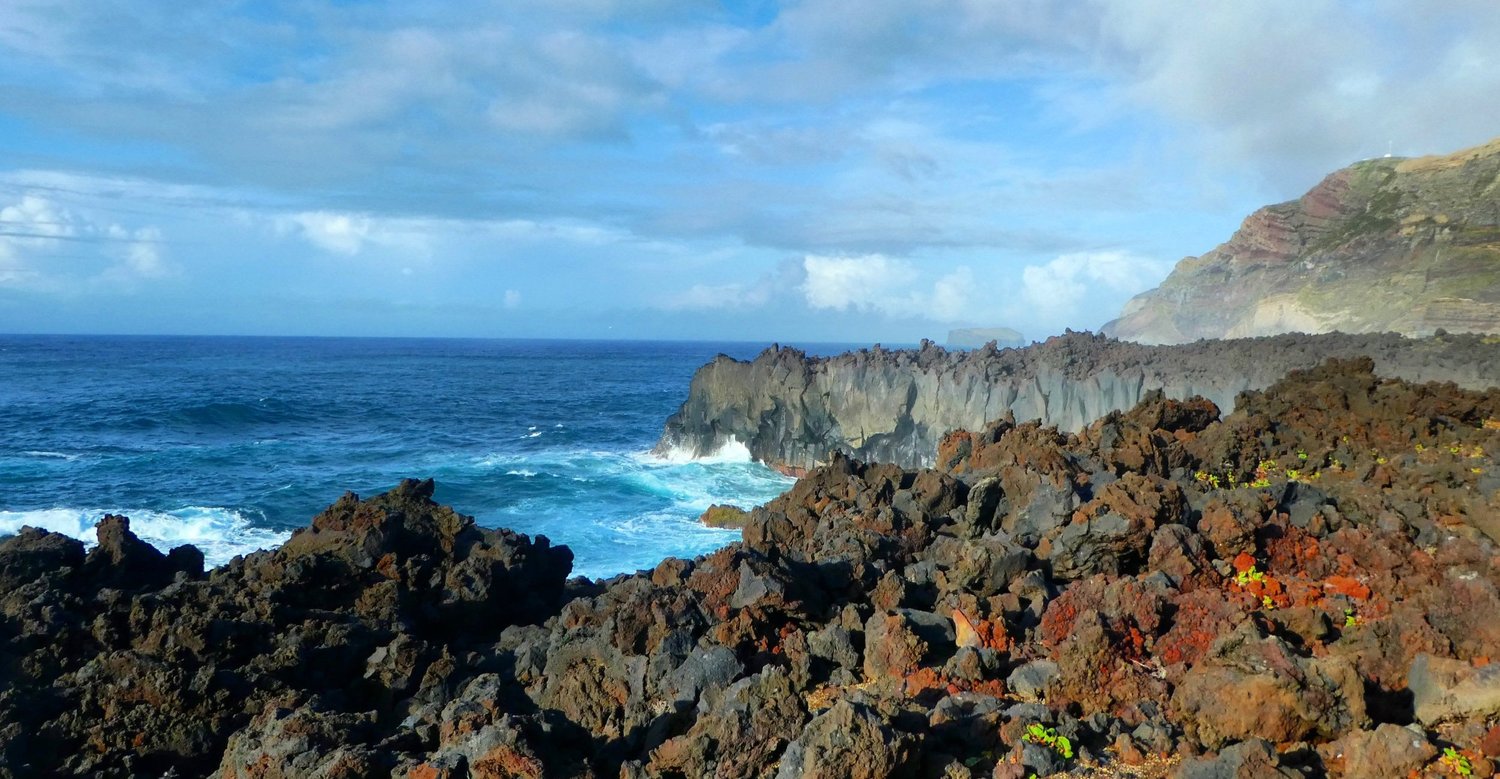
There is also Ponta da Ferraria, on the west coast, where a hot spring runs straight into the sea and you can swim in the Atlantic warm. It only works around low tide.
Food
Cozido das Furnas is the one to plan a day around. A stew of meat and vegetables is put in a pot, buried in a hole in the ground near the lake, and left for about six hours in the volcanic heat. Restaurants dig the pots out in the early afternoon. Order it in the morning.
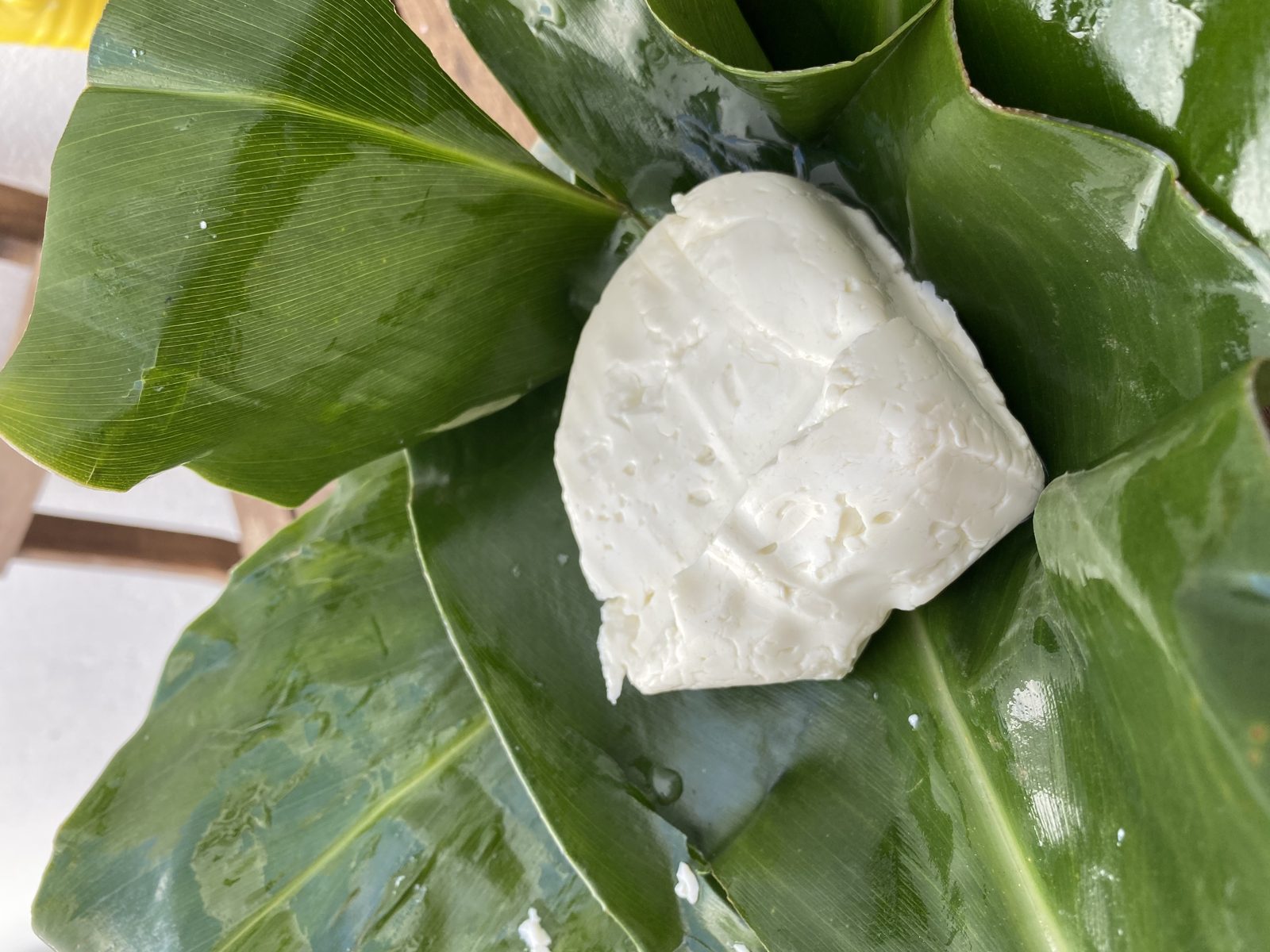
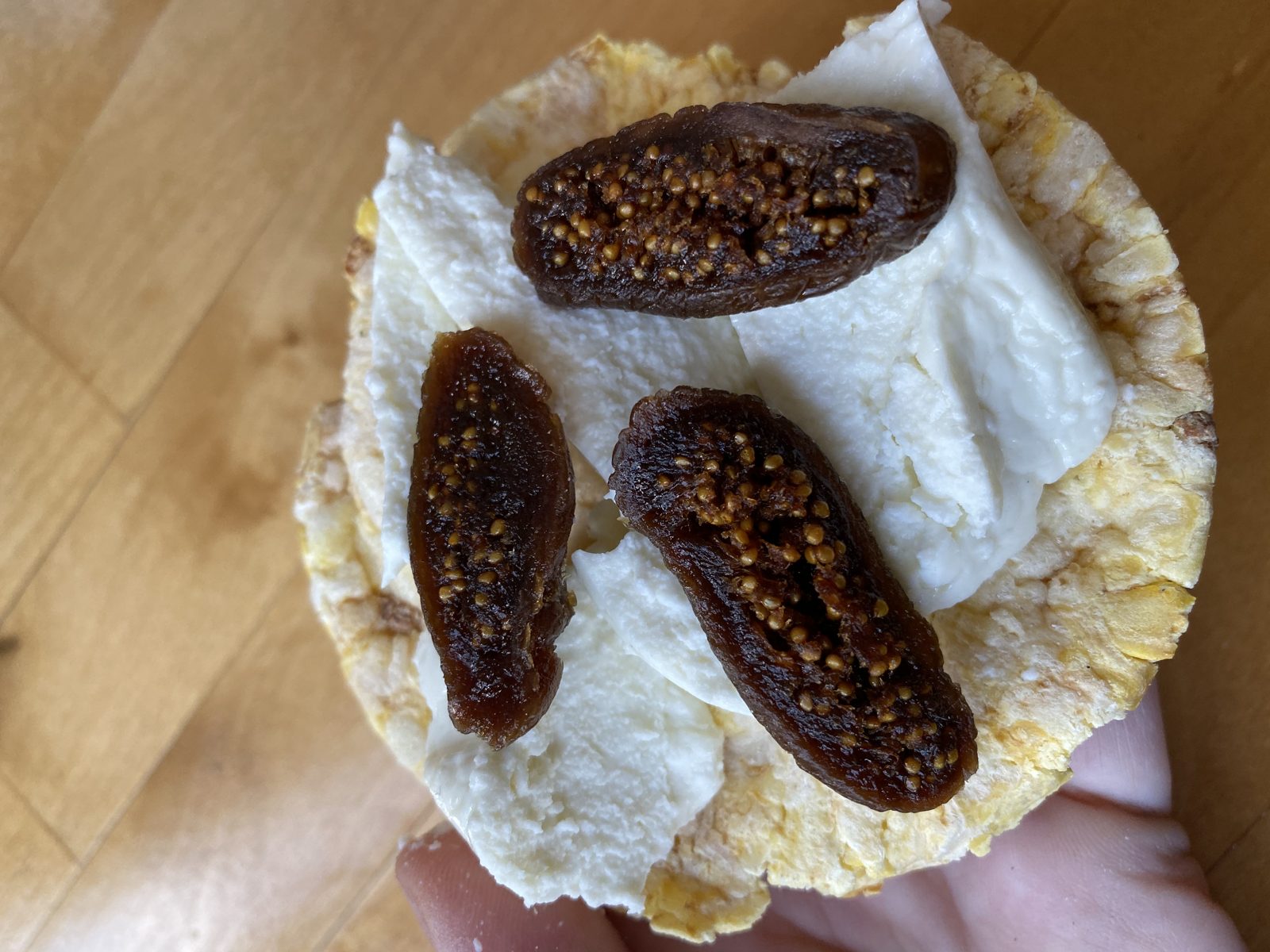
Queijo fresco is fresh cheese, made that day, served with a spoonful of pimenta da terra, the local chilli paste. It arrives before you have asked for it.

1 of 4
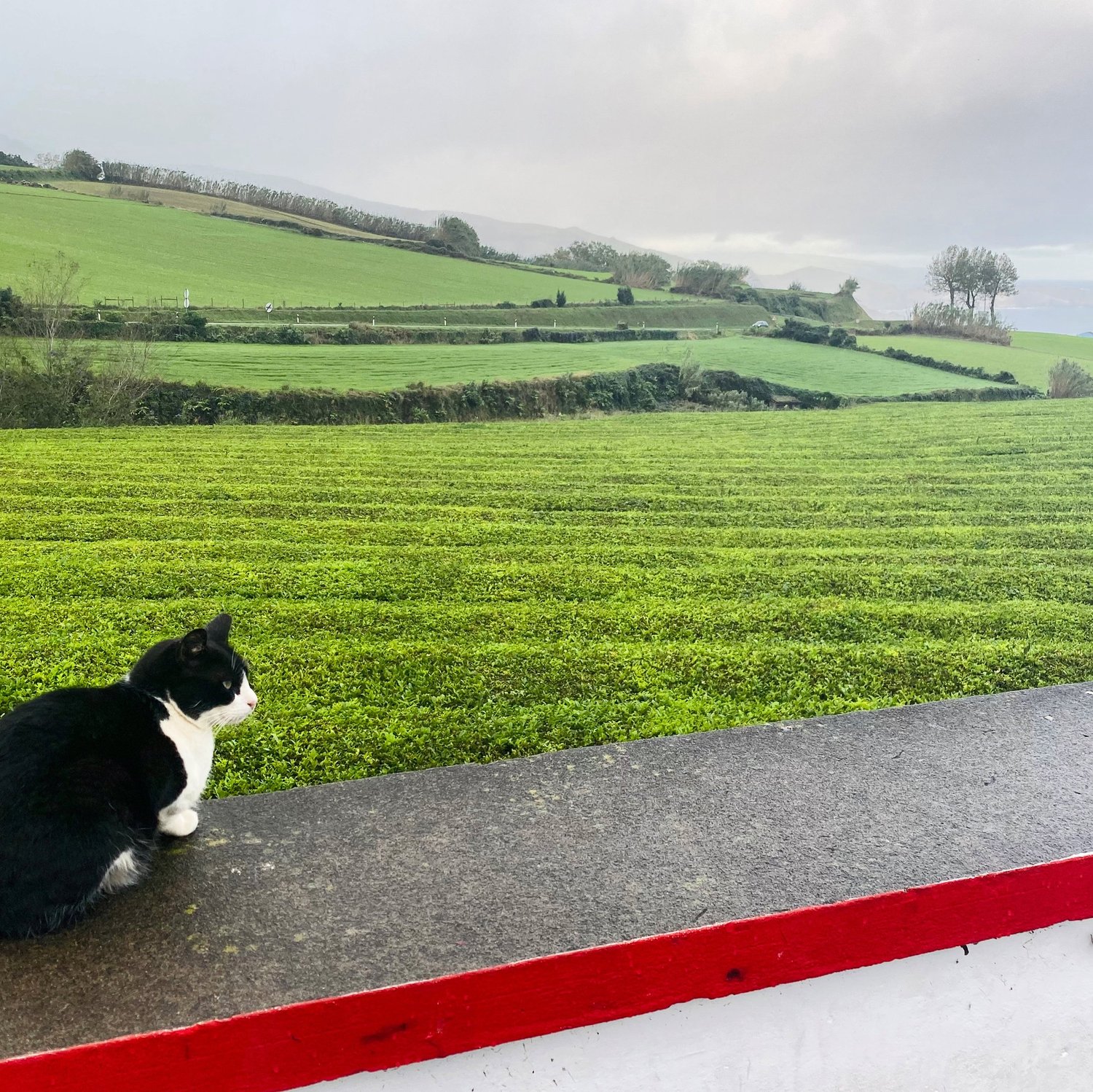
The tea is worth a stop too. Cha Gorreana has been growing tea on Sao Miguel since 1883 and is the only plantation left in Europe still producing. The tour is free.
Practical
Rent a car. There is no useful way around otherwise. The roads are in good condition, largely thanks to EU money, and the signage is clear.
The weather does what it likes. It is the middle of the Atlantic. A day can hold sun, fog and rain, and the crater lakes are often in cloud. Give yourself more than one attempt at anything with a view.
Stay somewhere with a kitchen. The dairy and the fish are the best things here and both are better bought than ordered.