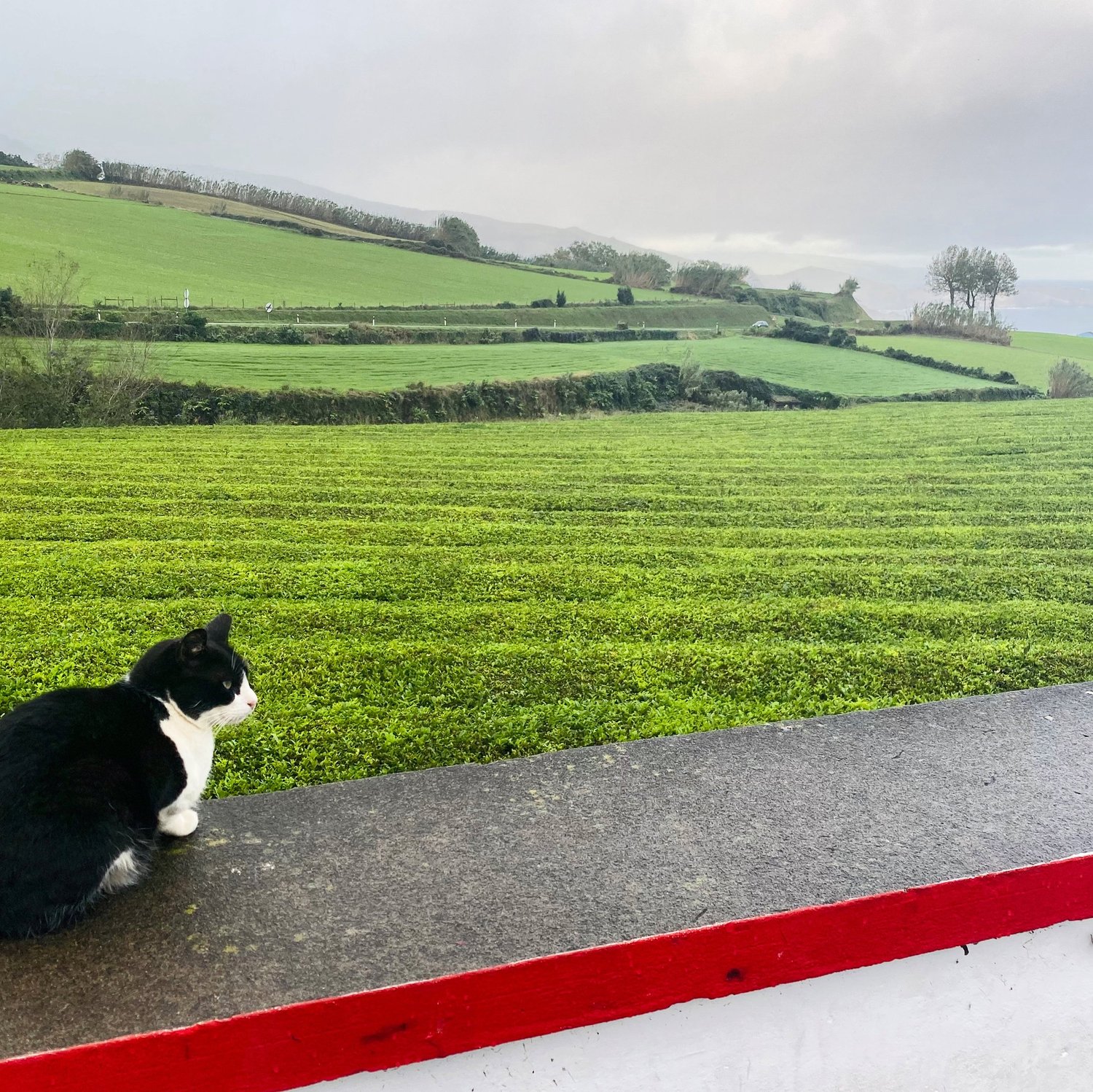
Gorreana has been growing tea on the north coast of São Miguel since 1883, which makes it the oldest tea plantation in Europe and, for a long stretch, the only one. The rolling hills of tea leaves run right down toward the ocean, and it is quite picturesque.
It is also free, which surprises most people.
Is it free to visit?
Yes. Entry, the factory tour and the tea tasting all cost nothing, and you do not need to book. You can walk the plantation on your own or join a guided tour, and neither one is charged for.
The only thing you will spend money on is tea, in the shop at the end. Which, having tasted your way through the whole range for free, is a fairly effective piece of business on their part.
Opening hours
At the time of writing, Gorreana opens 8am to 6pm on weekdays and 9am to 6pm at weekends. Hours can change with the season, so it is worth a look at their site before driving out.
Getting there from Ponta Delgada
Gorreana sits near Maia, on the north coast, and most people visit as a stop on a day out along that side of the island rather than as a destination in itself.
You need a car. There is no practical way to reach it by public transport, and it is not walkable from anywhere you would be staying. That said, it is an easy and quick stop off, so I recommend going if you have time.
It pairs naturally with the north coast drive, and it is close enough to Ribeira Grande that plenty of people do both in a morning.
What you actually see
The factory is small and still working, which is the appeal. Rather than a visitor centre built to explain a process, you walk through the room where the process is happening.
The machinery is the good part. Rotating drum sorters, numbered by hand, some of it running since the early 1900s. There are people at tables sorting leaves by hand in the packing room. It is a working floor that happens to let visitors wander through it, and it feels like that.

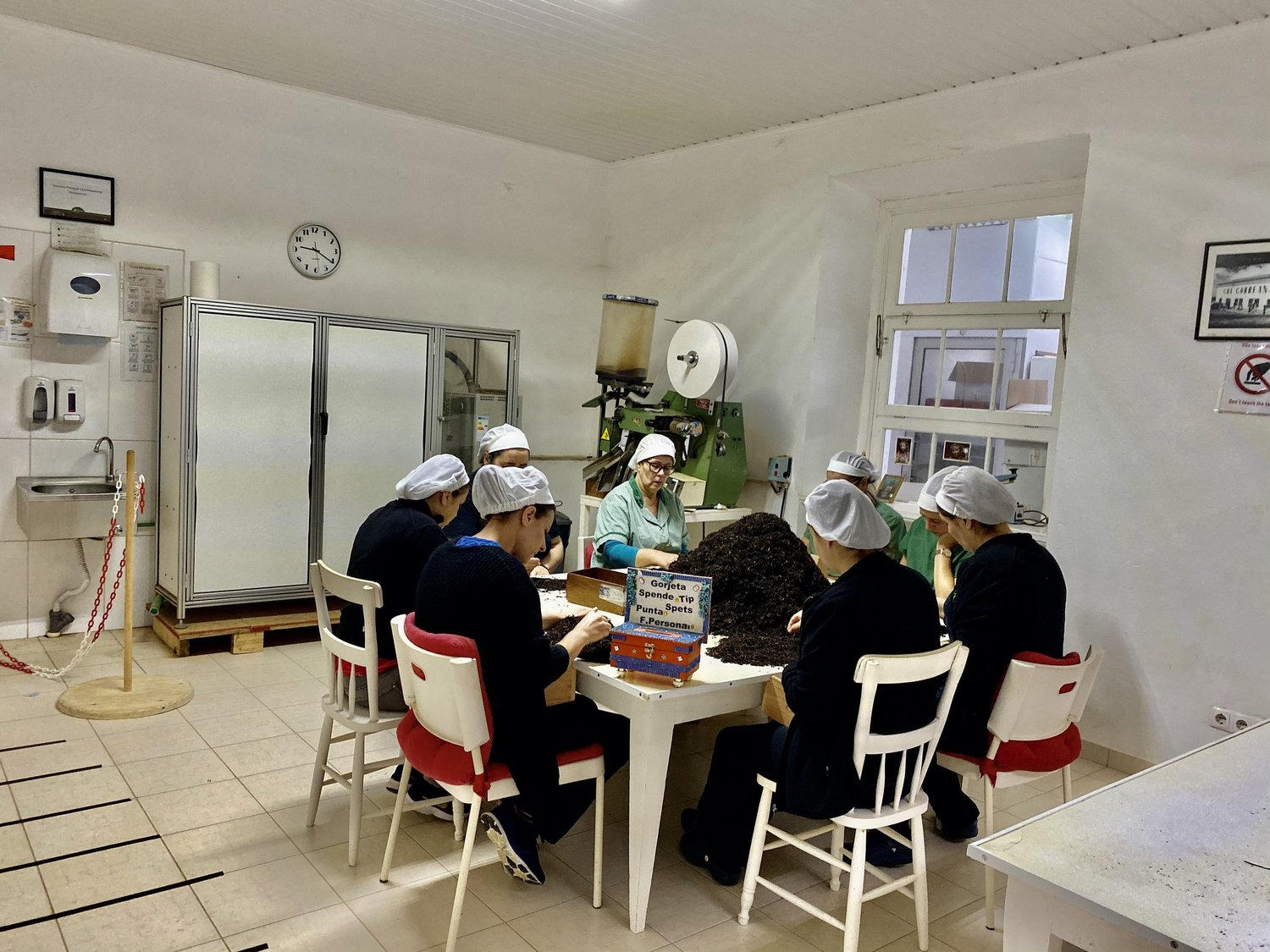
At the end there is a tasting station where you can try everything they make, green and black, and then buy whatever you liked in the shop.
The walking trails
This is the part most visitors miss, and it is the reason to allow more than twenty minutes.
Trails run out from the factory through the tea fields themselves, with the ocean below. There is also a water trail that follows the old irrigation channels into the forest and ends at waterfalls. You can walk a short loop or keep going, depending on how much time you have.
If you only see the factory and the shop, you have seen the least interesting part of the place.

When to go
Early, and on a weekday if you can manage it. Tour groups arrive through the middle of the day, and the plantation is a much better experience when you are more or less alone on the paths.
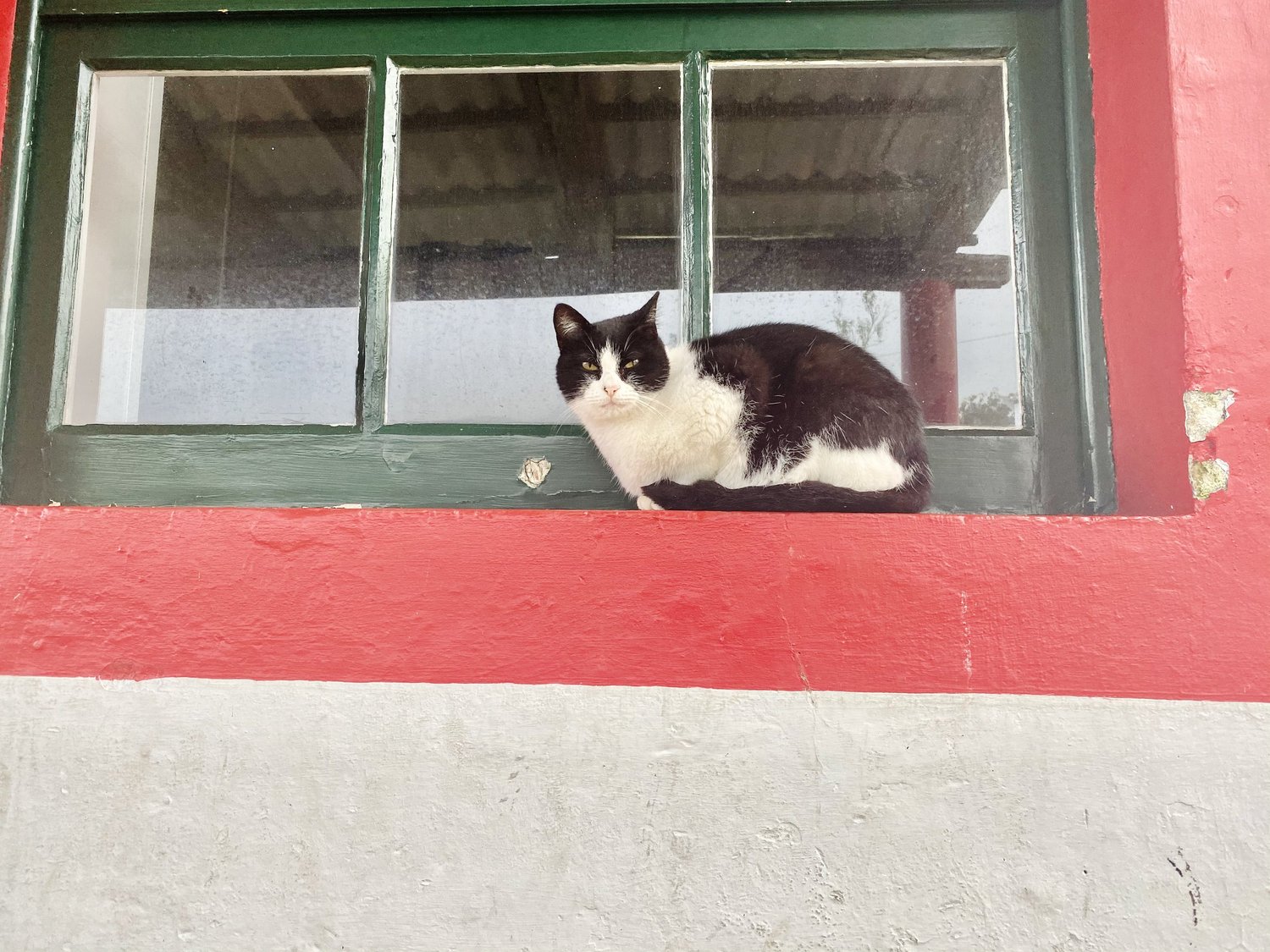
The cats are there regardless.
Is it worth it?
Yes, and particularly so given it costs nothing. Treat it as an hour rather than a quick photo stop, walk at least part of a trail, and it earns the detour.
If you are already driving the north coast, there is no reason not to.