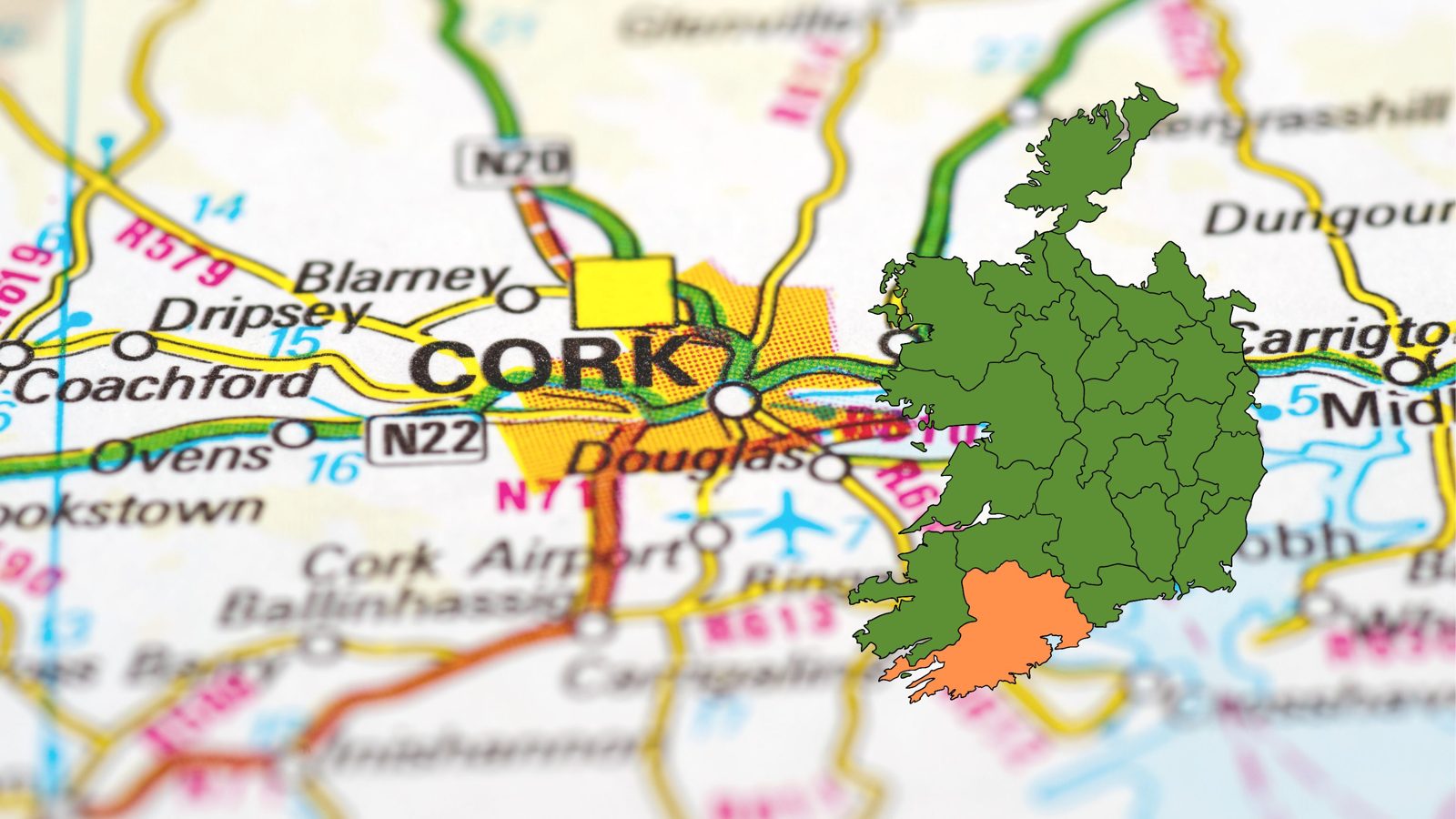
Cork, Ireland
Ask anyone from Cork and they will tell you it is the real capital of Ireland. They are not entirely joking. The city has its own accent, which rises and falls more than the rest of the country, its own newspaper that calls itself the paper of record, and a long habit of ignoring Dublin.
The centre sits on an island. The River Lee splits in two around it and joins again at the other end, which is why so many streets end at water and why the whole place can be walked in under an hour.
The English Market
Covered, cast iron, and trading since 1788. This is the reason to come. Butchers selling cuts you will not see elsewhere, fishmongers, cheese counters, and a café on the balcony overlooking the lot. Go in the morning while it is busy.
Things worth doing:
- Walk up to Shandon and ring the bells of St Anne’s yourself. You climb the tower, you are handed sheet music, and you play the bells over the city. Nobody stops you.
- University College Cork has a quadrangle worth a detour and one of the best collections of Ogham stones anywhere, which are the earliest written form of Irish.
- Cork Butter Museum, which sounds like a joke and is not. Cork ran the largest butter market in the world in the nineteenth century.
- Cross the pedestrian bridges. There are several, and locals have opinions about which is best.
Just outside the city:
- Cobh, twenty five minutes by train, was the last port the Titanic called at before it sank. It is also where millions of people left Ireland from during and after the famine. The town is painted in bright terraced colours and the story underneath is a heavy one.
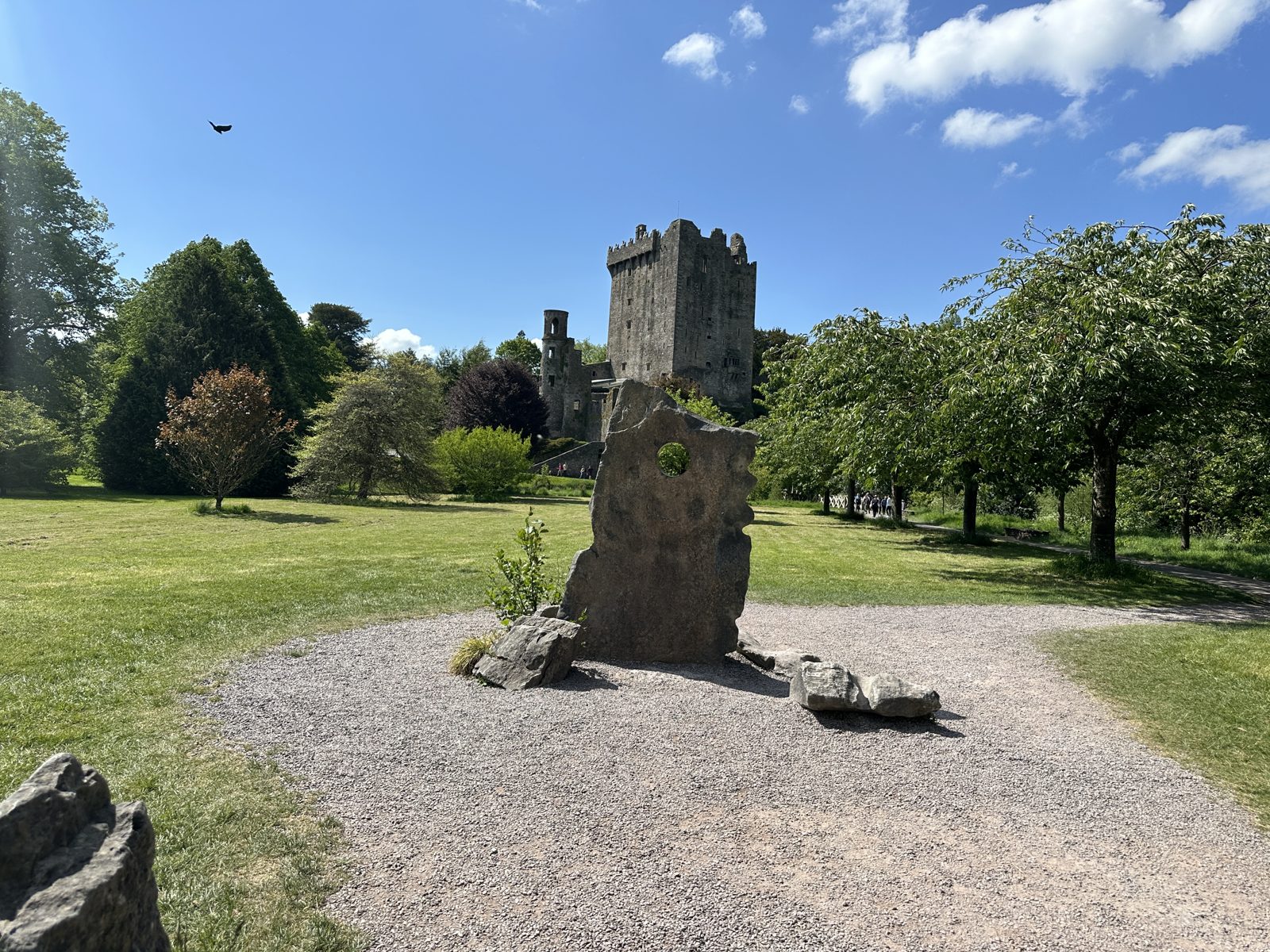
- Blarney Castle, twenty minutes away, which has its own section below.
- Midleton, for the Jameson distillery, half an hour east.
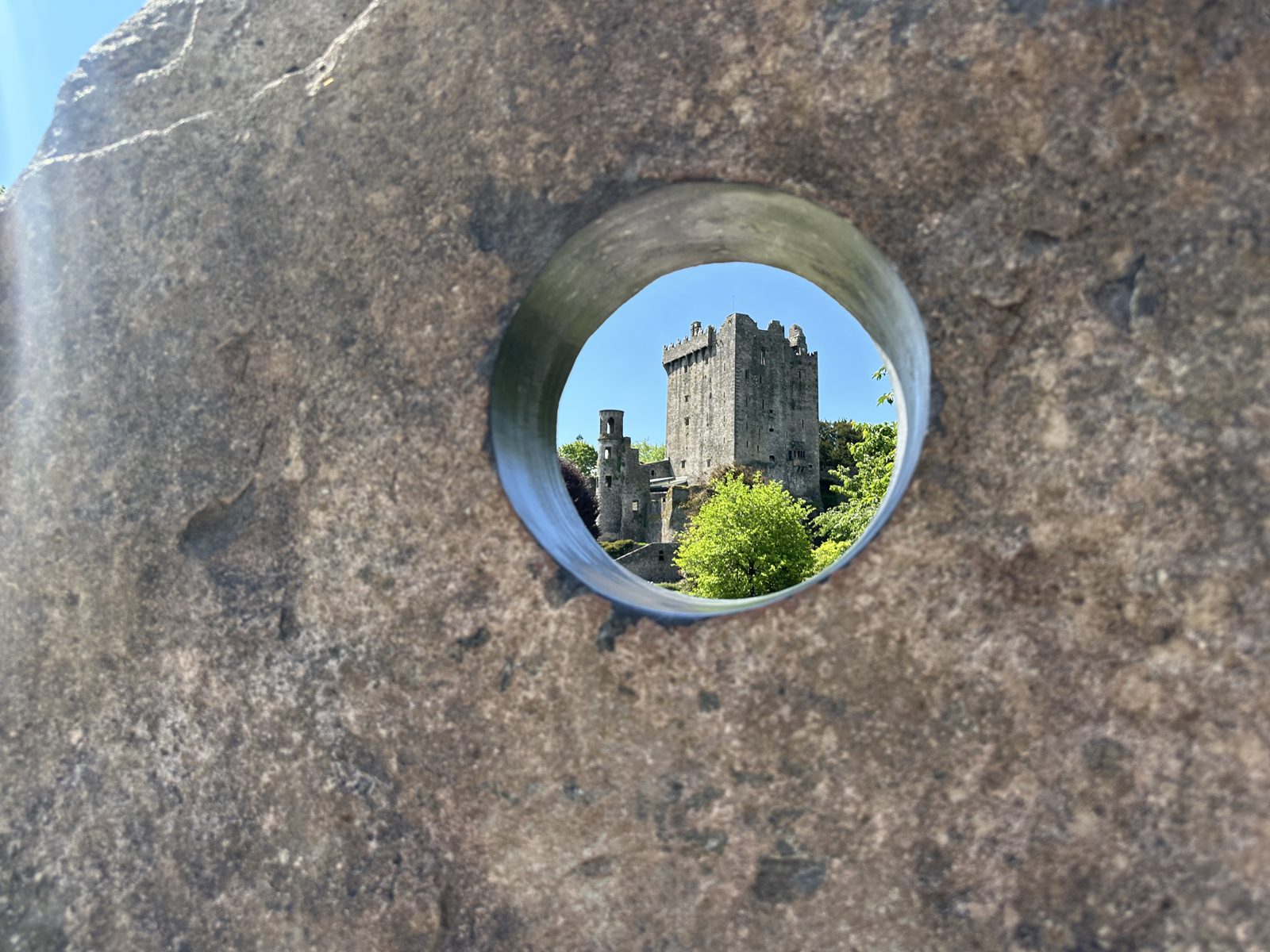
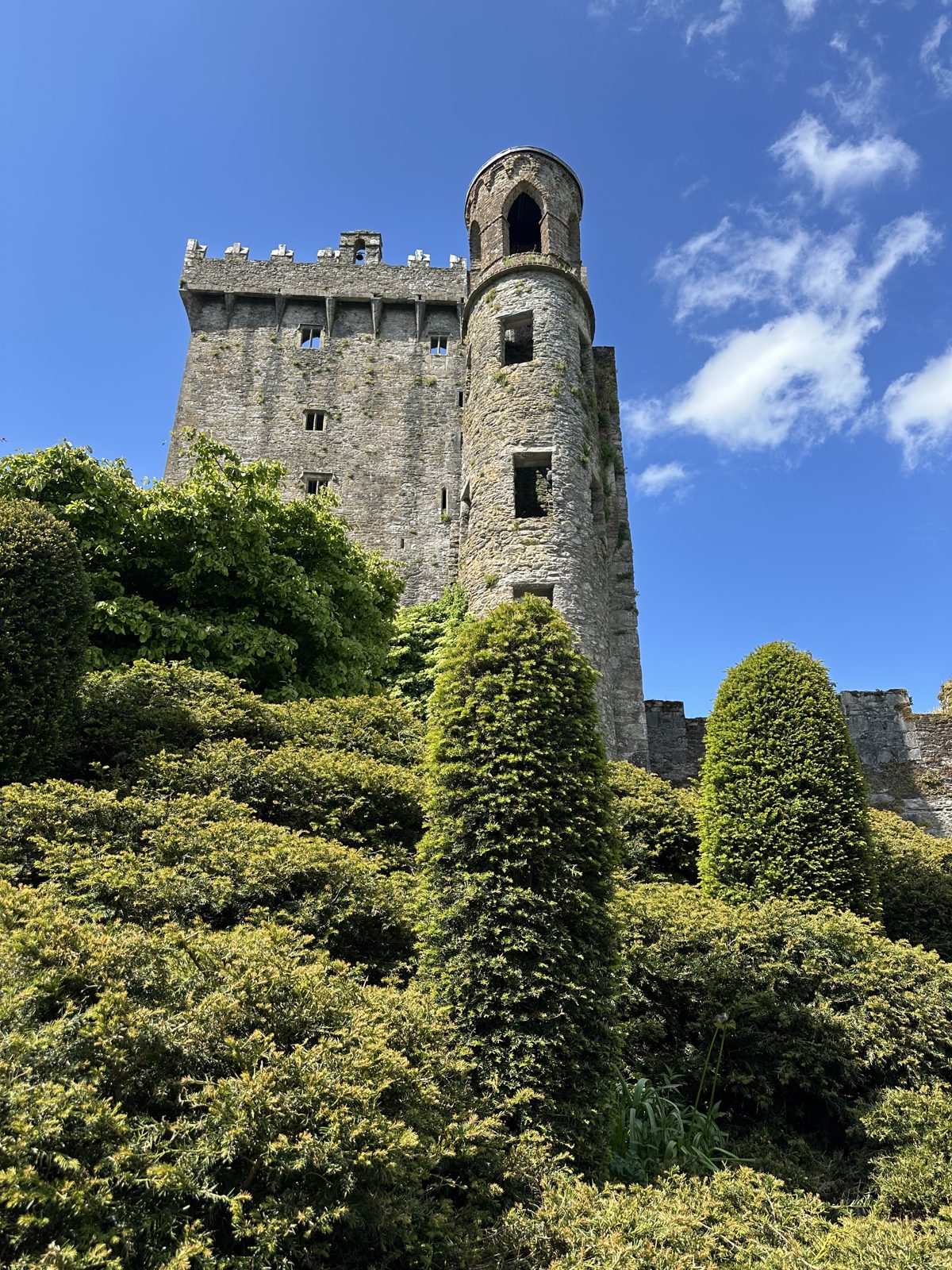
Blarney Castle
Twenty minutes from the city, and the stone gets all the attention. The gardens are the better half of the day and almost nobody plans for them.
The tower was built in 1446 by Cormac Laidir MacCarthy, and it is his descendant who is blamed for the word. Elizabeth I is said to have grown so tired of a later MacCarthy’s long, charming, entirely evasive replies to her demands that she called it all Blarney. Whether or not that happened, the word stuck, and this is where it comes from.
1 of 3
Kissing the stone is stranger than the photographs suggest. The stone is set in the wall below the battlements, on the outside, so you lie flat on your back, grip two iron rails, and lean backwards head first into the gap while a member of staff holds you. There is a grating under you and a long drop under that.
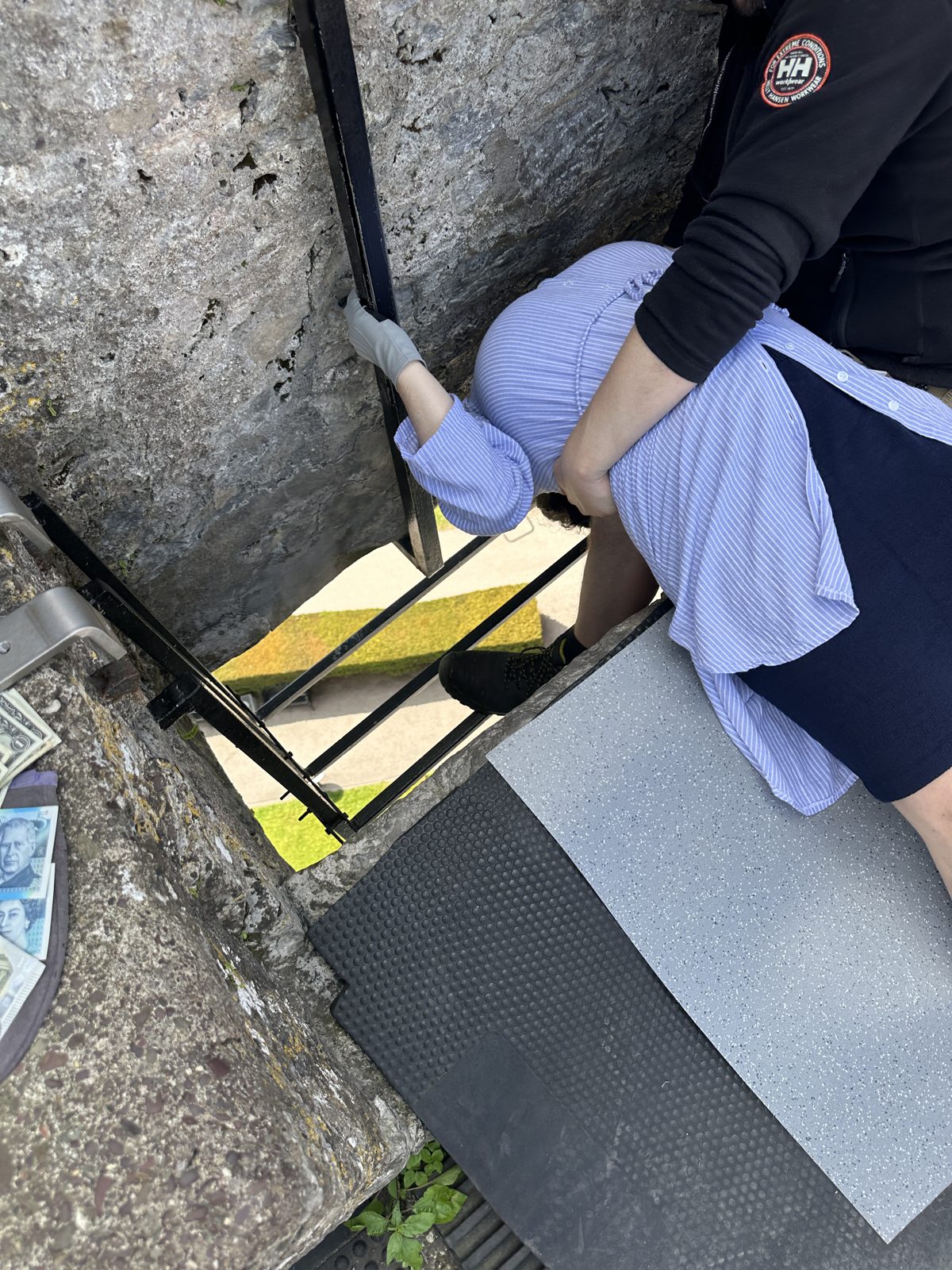
Go at opening. The queue is up a narrow spiral staircase with no way past anyone, so by midday you are standing on stone steps for an hour.
The gardens are why to stay. The Poison Garden grows things that can kill you, labelled with what they do and a few of them caged. The Rock Close is a set of ancient stones, a dolmen and the Wishing Steps, which you are supposed to walk down backwards with your eyes closed while thinking of a wish, and which people genuinely attempt.
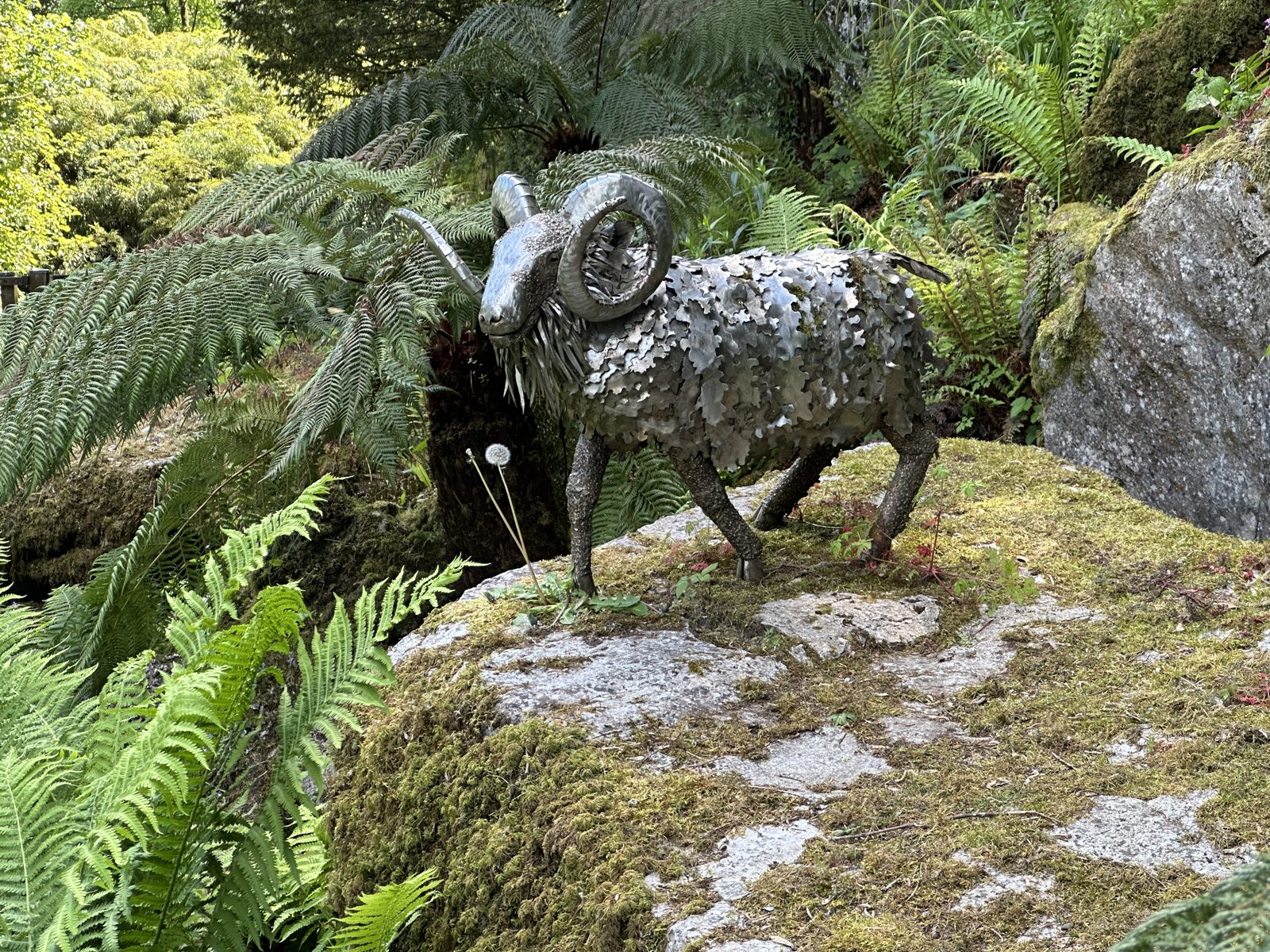
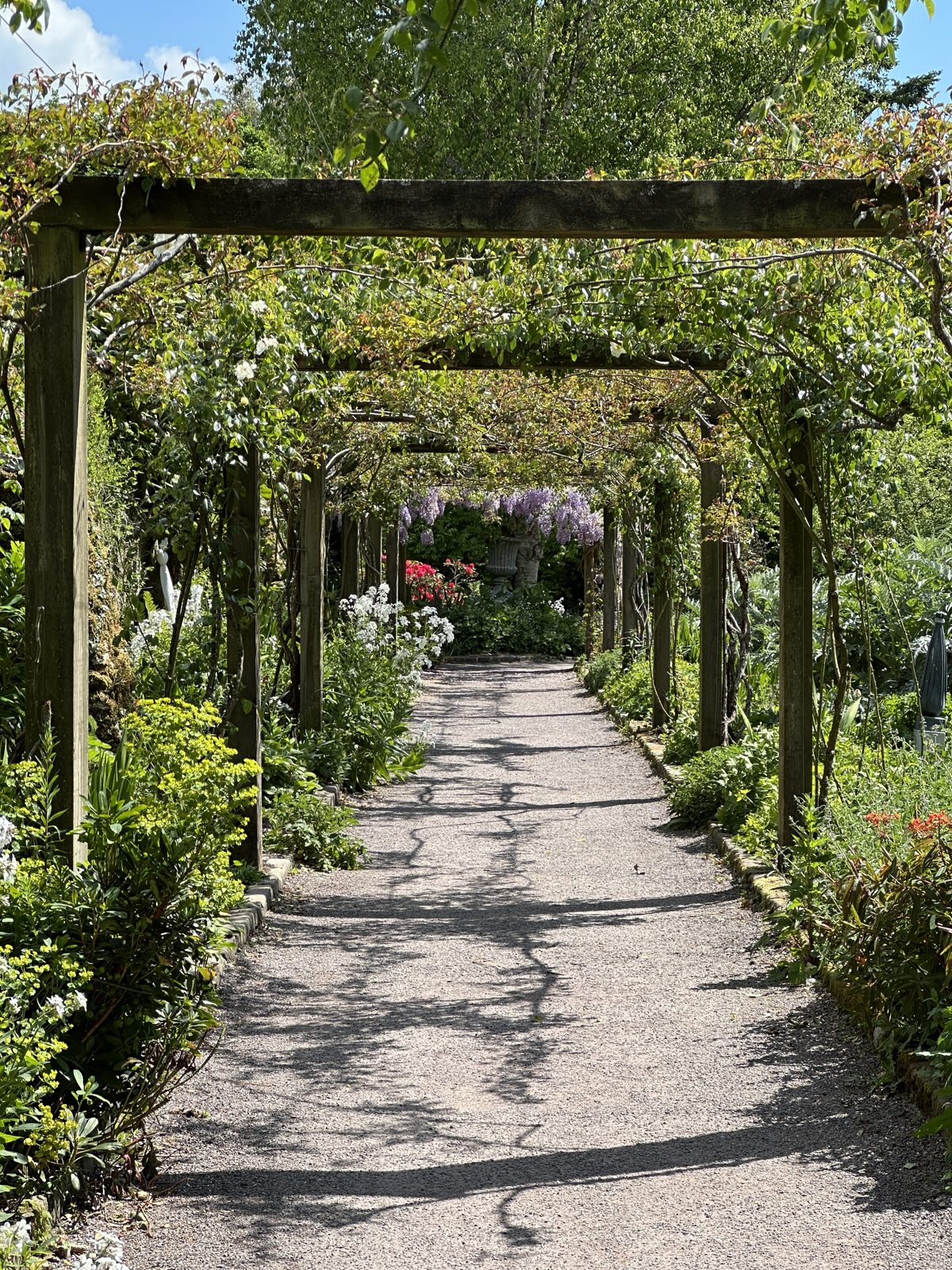
There is a fern garden, an arboretum, and sculptures put about the grounds without much fuss. Give it three hours rather than one.
Practical:
- Cork has its own airport with flights from the UK and Europe, so it works as an arrival point rather than a side trip from Dublin.
- The train from Dublin takes about two and a half hours.