Chengdu, China
Chengdu has a reputation inside China for being the city that does not hurry. People sit in teahouses for entire afternoons playing mahjong, and the city is comfortable with that in a way Beijing and Shanghai are not.
The food
Sichuan pepper does not burn, it numbs. The sensation is called ma, and combined with chilli heat it becomes mala, which is the flavour the whole region is built on. Your lips will buzz. This is meant to happen.
Hotpot is the local institution: a pot of chilli oil at the centre of the table, and you cook your own. If you cannot manage the heat, ask for a divided pot with a mild broth on one side. Nobody will mind.
The pandas
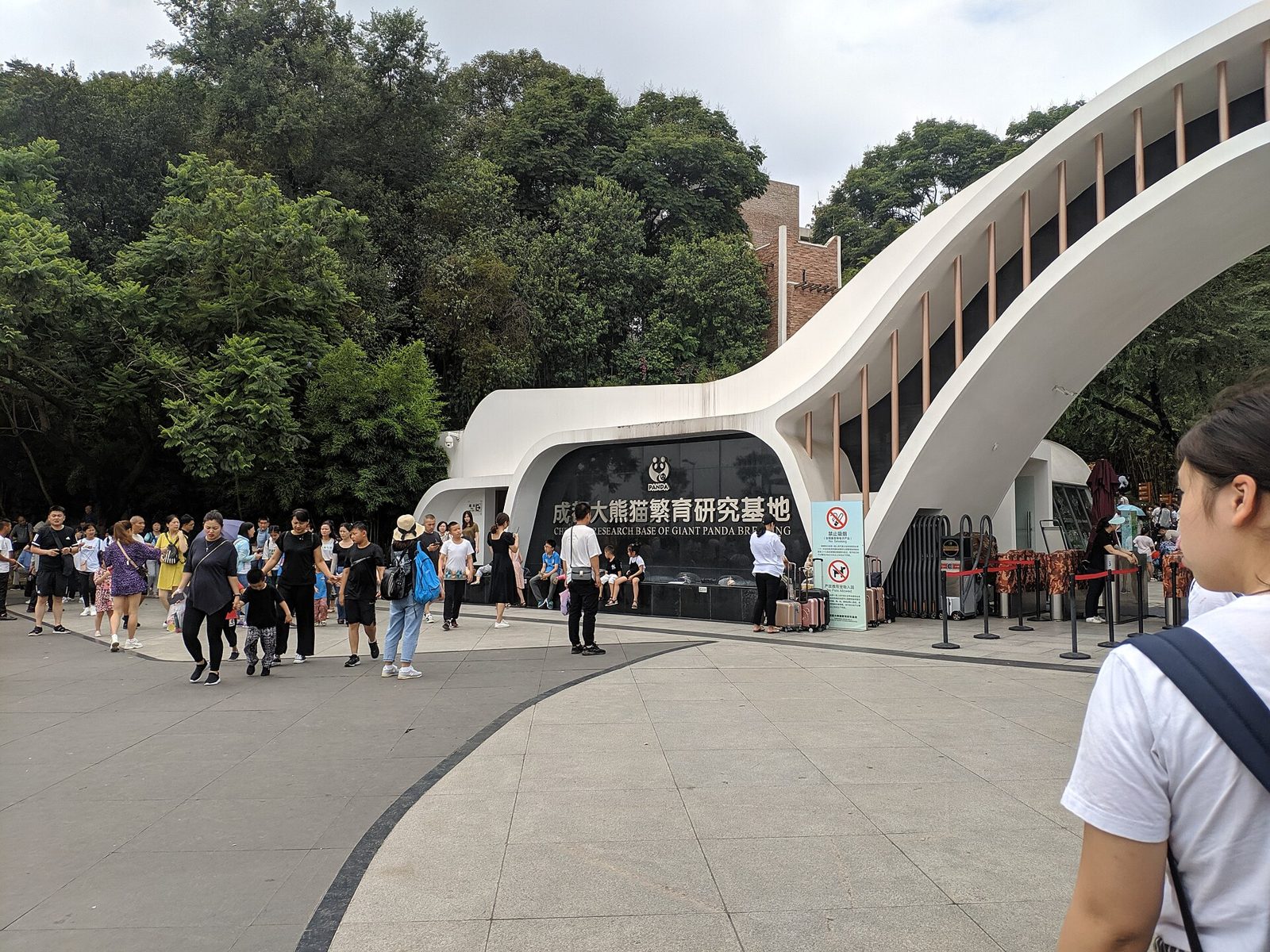
The Chengdu Research Base of Giant Panda Breeding is about forty minutes north of the centre. Go at opening, around half past seven. Pandas are active in the cool of the early morning and asleep by ten, and the difference between arriving at eight and arriving at eleven is the difference between watching them eat and watching a grey and white lump in a tree.
Also:
- People’s Park, for the teahouse. You can also have your ears cleaned there by a man with a set of metal picks and a tuning fork. It is a genuine Chengdu tradition and not something staged for visitors.
- Jinli and Kuanzhai Alley, restored old streets, busy and good for street food.
- Leshan Giant Buddha, two hours away: 71 metres tall, carved into a cliff in the eighth century, and still the largest pre-modern statue in the world. You queue down a staircase cut into the rock beside it.
- Mount Emei is close enough to combine with Leshan. That has its own section.
Practical:
- Chengdu is grey a lot of the year. The basin traps cloud, and locals joke that dogs bark when the sun comes out.
- It is the usual staging point for travel further west toward Tibet, which needs a separate permit arranged in advance.