Beijing, China
Beijing is laid out in rings, and the rings tell you the age of what you are looking at. The Forbidden City sits at the middle. Everything gets newer as you move outward, until you reach ring roads that are essentially motorways.
The part most people miss is what sits between the big roads. The hutongs are the old alley neighbourhoods, single storey courtyard houses packed tight, and they are where the city still behaves like a village. Walk into one and the noise drops.
The Forbidden City
Around 980 buildings, and it was closed to ordinary people for nearly 500 years. Book ahead online with your passport number. Tickets sell out, and there is no queue you can join on the day if you have not.
Go in one end and out the other, then climb Jingshan Park directly behind it. That hill was built from the earth dug out to make the palace moat, and it gives you the only view where you can see the whole complex laid out.
The Great Wall
Which section you pick matters more than anything else about the day.
- Badaling is closest, fully restored, and busiest by a wide margin.
- Mutianyu is about ninety minutes out, restored, and much calmer. There is a cable car up and a toboggan down, which sounds ridiculous and is excellent.
- Jinshanling is partly unrestored and takes longer to reach. If you want the wall crumbling and nearly empty, this is the one.
Also worth your time:
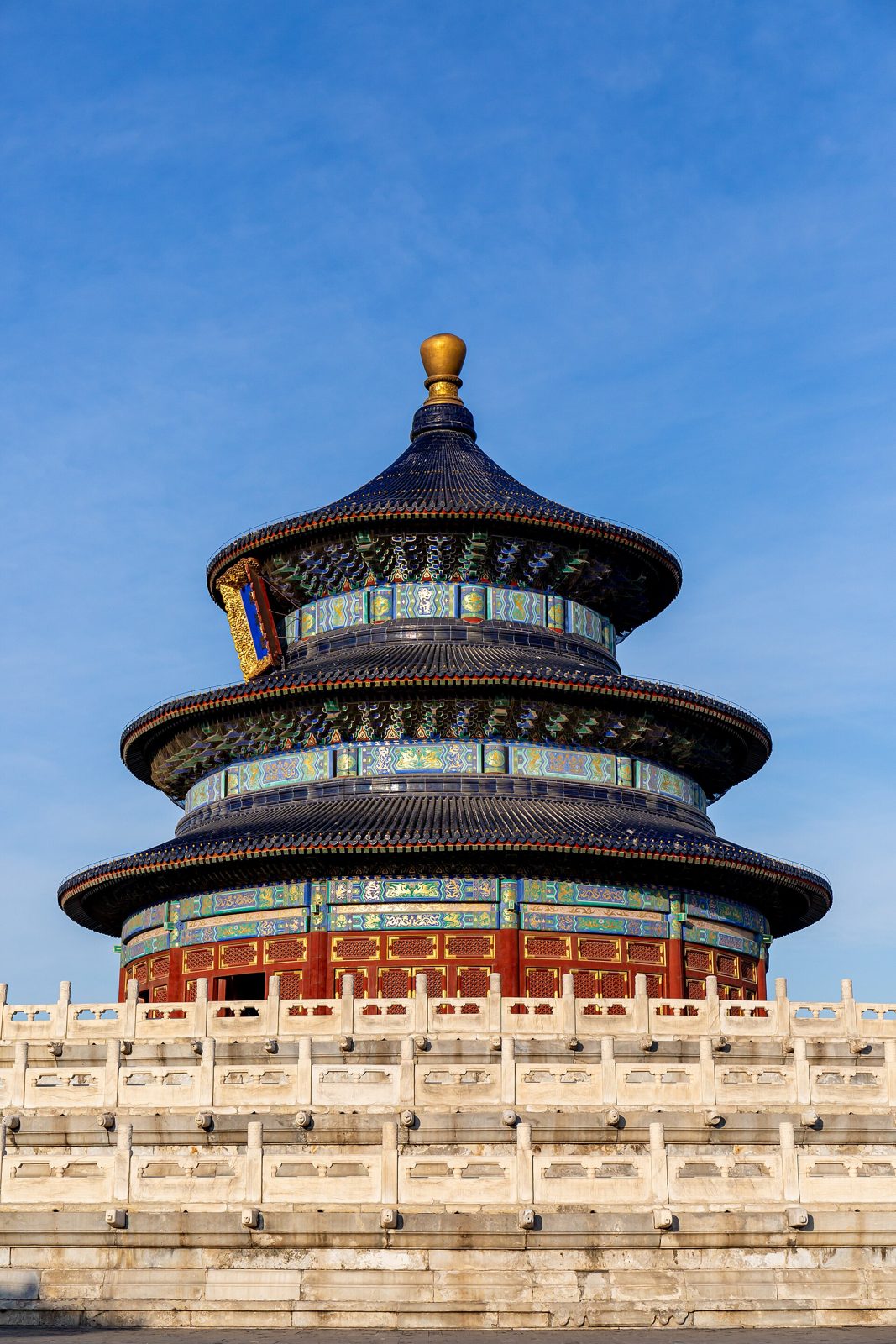
- Temple of Heaven early in the morning, when the surrounding park fills with people doing tai chi, ballroom dancing, playing cards and singing in groups. The park is better than the temple.
- Summer Palace, a royal garden built around a lake, with a covered walkway that runs for over 700 metres.
- 798 Art District, a Bauhaus era factory complex turned over to galleries.
- Peking duck, carved at the table. Book.
Practical:
- The subway is cheap, clean, and signed in English.
- Air quality varies. Check before planning a day outdoors.
- Winter is genuinely cold and dry. Spring and autumn are the comfortable ones.