Guatemala
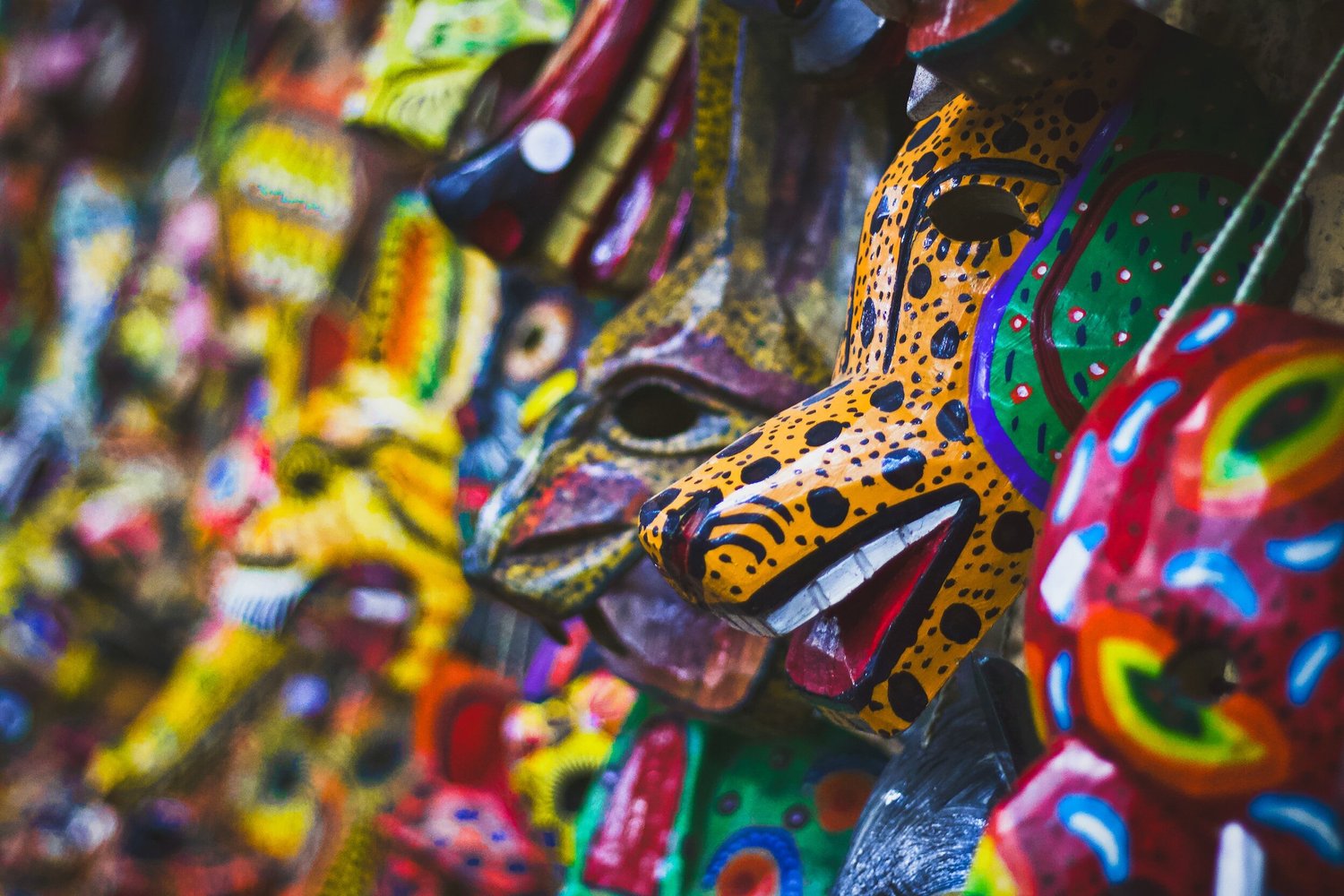
Set in Central America, Guatemala offers a blend of ancient Mayan heritage contemporary life. Explore the Tikal ruins and the serene beauty of Lake Atitlán. The market at Chichicastenango takes over the whole town twice a week. Antigua is the old colonial capital, ringed by three volcanoes. The country is volcanoes, rainforest, and Lake Atitlan, which sits in a collapsed volcanic crater. Guatemalan food is a mix of indigenous and Spanish influences. Admire the intricate textiles, woven with generations of expertise. More than twenty Mayan languages are still spoken here, alongside Spanish.
Some classic delicious Guatemalan dishes include:
Pepián: A rich, hearty stew made with a blend of meats, vegetables, and spices, often served with rice.
Kaq’ik: A traditional turkey stew, flavored with achiote and spiced with guaque chiles, often served with corn tortillas.
Rellenitos: Sweet plantains stuffed with black beans and topped with sugar and cinnamon.
Jocon: A flavorful green stew made with chicken or pork, thickened with ground pumpkin seeds and seasoned with tomatillos.
Tamales: Steamed corn dough filled with meat, vegetables, and spices, wrapped in banana leaves.
Guatemalan Textiles: Guatemalan weaving is not decoration. The pattern on a huipil tells you which town the wearer is from, and the cloth works as an address. The patterns, colors, and techniques used in Guatemalan textiles often vary by region and tell you which Mayan town the wearer is from. The cloth works as an address.. Some notable types of textiles include:
Huipiles: Colorful, embroidered blouses worn by indigenous women. Each region has its distinct style of huipil, and they often carry symbolic meanings.
Cortes: Traditional skirts woven on a backstrap loom, adorned with complex geometric patterns colors.
Fajas: Narrow belts, intricately woven and often worn by both men and women to secure their clothing.
Rebozos: Shawls or scarves with intricate patterns, used for various purposes, from carrying goods to personal adornment.
Guatemalan textiles are not only a form of artistic expression but also a means of preserving cultural identity and heritage. The skill and craftsmanship involved in creating these textiles are passed down through generations, making them an essential part of Guatemalan culture.