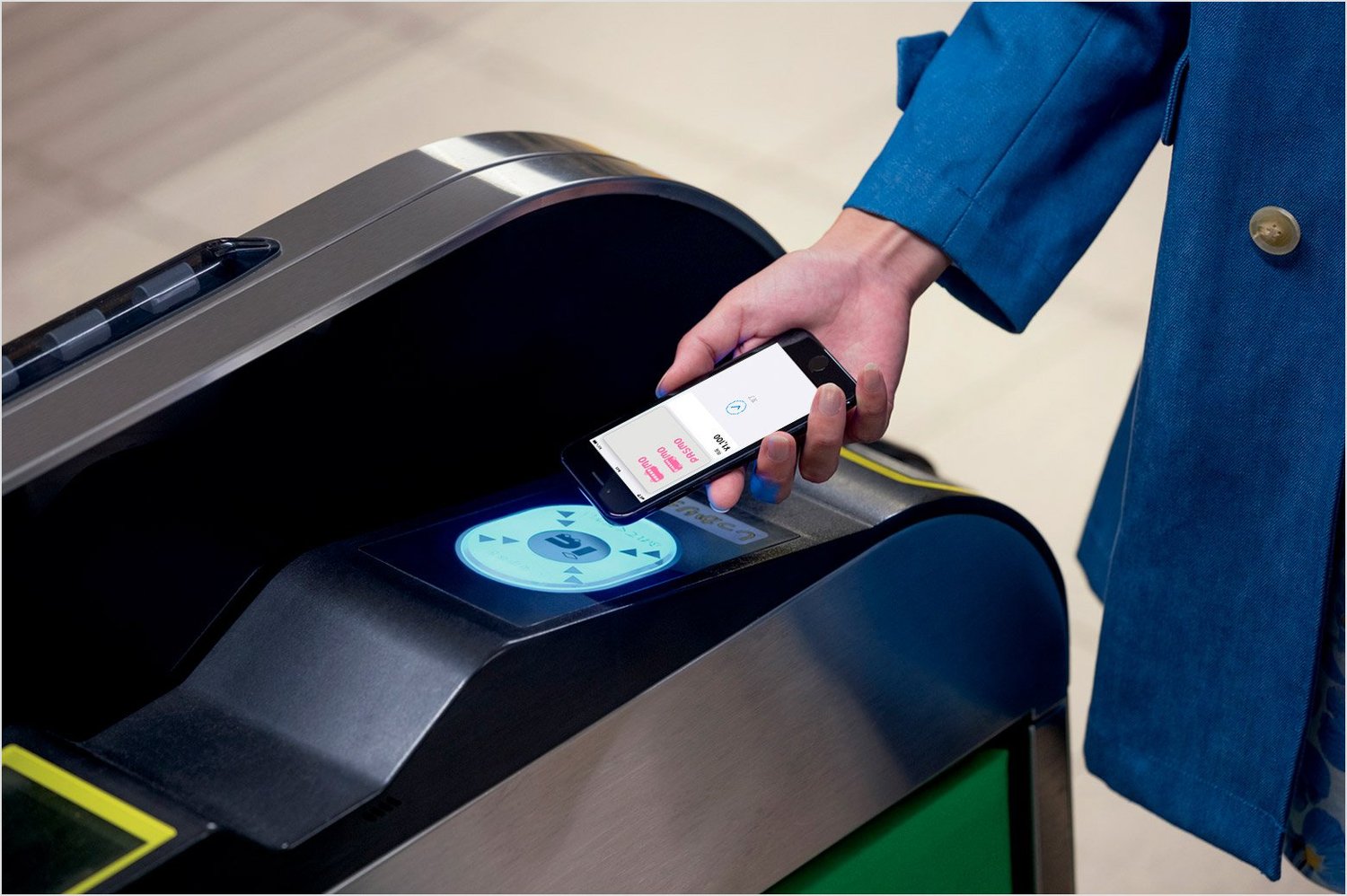
Many destinations have some sort of reloadable transit card. They elegantly solve the problem for the bus or train driver of having to collect fares while expeditiously boarding and disembarking passengers, and of passengers needing to possess exact change, keep track of transfers, and understand fares. A win-win.
Japan is no different in this regard, but like in so many things, it takes things to a whole new level, and with a unique local spin. Let’s get into the world of the “IC” (eye-see, integrated circuit) card.
IC card: what’s in a name?
Pasmo, Suica, ICOCA, Kitaca, SUGOCA, manaca, nimoca, TOICA, PiTaPa, Hayakaken. Ten of them, each belonging to a different region or railway company, and you might be forgiven for thinking you need a different card in every city.
You do not. They have all been interchangeable since 2013. A card bought in Tokyo works in Osaka, Kyoto, Sapporo and Fukuoka. So I will just say Pasmo, since if you landed in Tokyo that is your local flavour.
Two real limits worth knowing:
- You cannot ride between two different IC regions on one journey. Both ends of a single trip have to sit inside the same area. Crossing between them, say on conventional lines from Tokyo toward Sendai, means exiting the gate and buying a ticket for the next leg.
- Rural areas and some small bus operators still take cash only. Less common than it used to be, but keep some coins.
These are credit-card sized pieces of plastic that scan with a tap, are reloadable, and are accepted for trains and buses as you would expect. Treat your Pasmo like you would cash. You can get one for a 500 yen deposit at a train station, or if you have an NFC equipped phone, like a recent iPhone, you can set up a virtual one in Apple Wallet or the Android equivalent.
So much more than transit
We used our Pasmo cards constantly on the metro, trains and buses.
Even with a Japan Rail Pass, which covers plenty of convenient urban lines in Tokyo and elsewhere, you will still take lines run by other companies for some connections and destinations. Being able to pay with a card already in your wallet, without fumbling at a ticket kiosk, is a real convenience.
Japan traditionally was, and to an extent still is, a cash-centric culture, so you will see plenty of people buying tickets or handing coins to a conductor. Tapping sidesteps that potential language barrier entirely.
One aside on buses: sometimes you tap only when boarding, sometimes both when boarding and getting off, sometimes only when getting off. Follow what everyone else is doing, or tap on boarding to be safe.
Pasmo is accepted in a lot more than stations
Buying a rice ball and a bottle of tea at a combini? Pay with Pasmo. Going to an arcade in Akihabara? Your games and the photobooth take it too. Stopping at a ramen restaurant that orders through a vending machine? Much to our surprise, lunch as well.
This blend of paying for small purchases with a near-universal digital card feels unique to Japan. Since it is cash-equivalent you can recharge it in a lot of places and spend it in a lot of places. It is also almost certainly cheaper for the retailer than accepting a credit card, so your convenience is not costing them. The “minimum charge if paying by card” sign that keeps appearing in North America suddenly feels annoying and antiquated.
The best way to set one up
Here is the part worth acting on before you land.
The catch with a physical card is that you generally have to buy it and load it with cash. Getting one with an international credit card is close to a non-starter. If you want the plastic, the workable route is a low fee or no fee ATM withdrawal on arrival, then buy the card at a station. You can return it when you leave and get the deposit back.
There is a better way if you are comfortable with your phone. With roaming data or a local SIM, set up a Pasmo in Apple Wallet. Two advantages:
No separate card to carry, and you can see your balance and what you have spent at a glance.
You can top it up with a credit card already in your wallet. That is the one that matters. Finding a bank account that waives ATM fees or gives decent exchange rates is difficult and often comes with conditions. Credit cards with no foreign transaction fees are far more common, and you may already have one.
Recharging Pasmo from a credit card avoids bank fees and extra trips to ATMs or a currency exchange. If it works for you, this should be among the first things you do when you land.